
A scathing report published this week by a team of researchers at a DC based NGO has laid bare the failures of environmental protection services in the US.
The report, published in Nature by the ‘Defenders of Wildlife’, assesses that of the 459 species considered to be endangered in the territory of the United States, 99.8% are affected by at least one of eight identified climate change risk factors.
The eight climate change risk factors identified by the report are temperature, hydrology, disturbances, isolation, invasive species, chemistry, phenology, and obligate relationships.
Despite climate change having a significant effect on the survival rates of the overwhelming majority of endangered species, US agencies only consider climate change a risk to 64%, and only have a plan to manage the effects for 18% of species, the report claims.
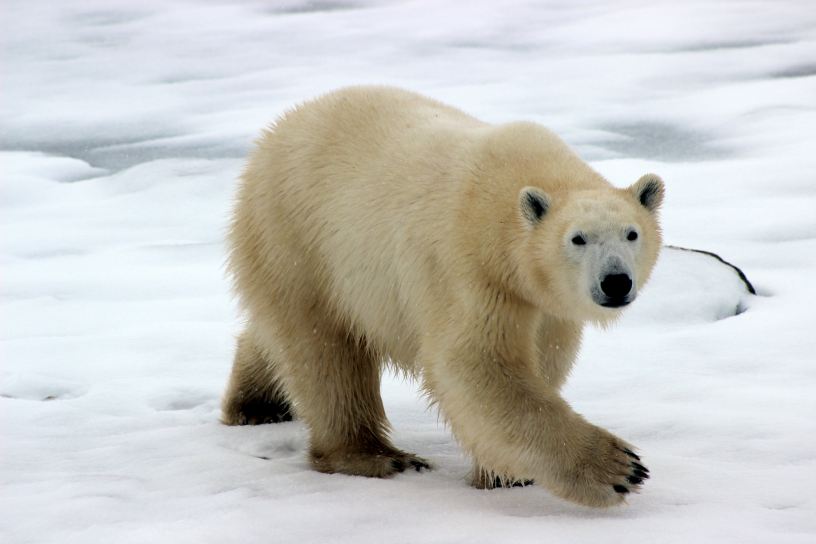
An example of climate change affecting an endangered species is the polar bear, endemic to parts of Alaska. The polar bear’s primary habitat is sea ice, which is also where it hunts its main prey, the ringed seal. As global temperatures increase, this sea ice is melting earlier in the year, and at a faster rate. This gives the polar bear less time to hunt in the late spring and early summer, as well as forcing to go without food for longer, as the increase in temperature leads to the ice forming later in winter.
The report ends by warning that if action isn’t taken soon, it may be too late to save many of these species.
 Scientific Britannicus