
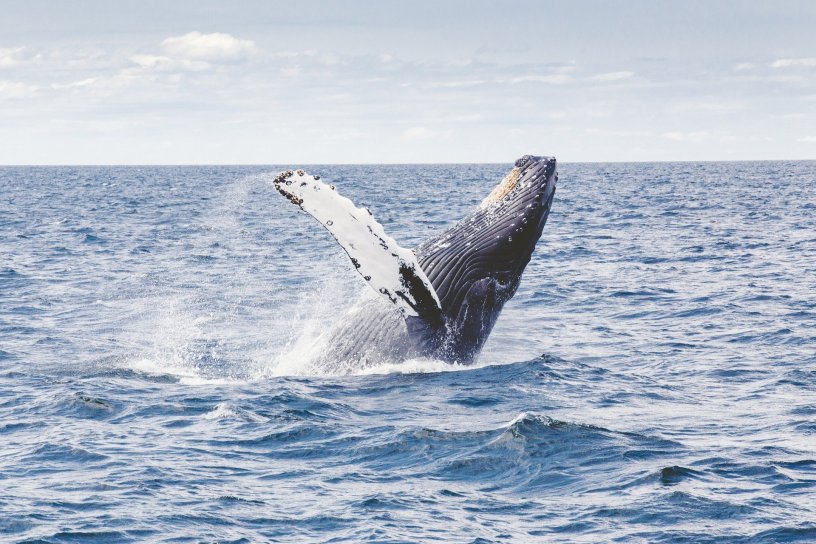
A team of marine biologists studying the whale population in the South Atlantic have shown how the species has recovered from the brink of extinction.
The outlook for the South Atlantic humpback whale in the 1950s was bleak. Originally having a population of around 27,000 just over a century prior, the population had dwindled to as little as 450 due to excessive whaling in the region.
This stark decline led to some level of protection for the species being enacted in the mid 1960s, but due to continuing illegal whaling activity, the threat of extinction never really went away. This led to further protections, with the constituent members of the International Whaling Commission enacting a total moratorium on commercial whaling in the 1980s.
This much more wide ranging ban on global whaling operations appears to have worked, according to the study monitoring humpback whale populations – the number in the South Atlantic is believed to be around 25,000. This is a significantly more optimistic value than was previously thought, and it is expected that the population will recover to pre-whaling exploitation levels in around 10 years, assuming there is little effect from human activities.
This latter assumption, however, is not guaranteed – one point the study stresses is the effect that the humpback recovery could have on the decline of their primary prey, krill. Recently, concerns have been raised over the potential effects of climate change on krill numbers, and it likely that an effect on krill would also effect humpback whales.
Despite this, the humpback’s recovery offers a hopeful vision for the future recovery of species harmed by human activity and exploitation.
 Scientific Britannicus