
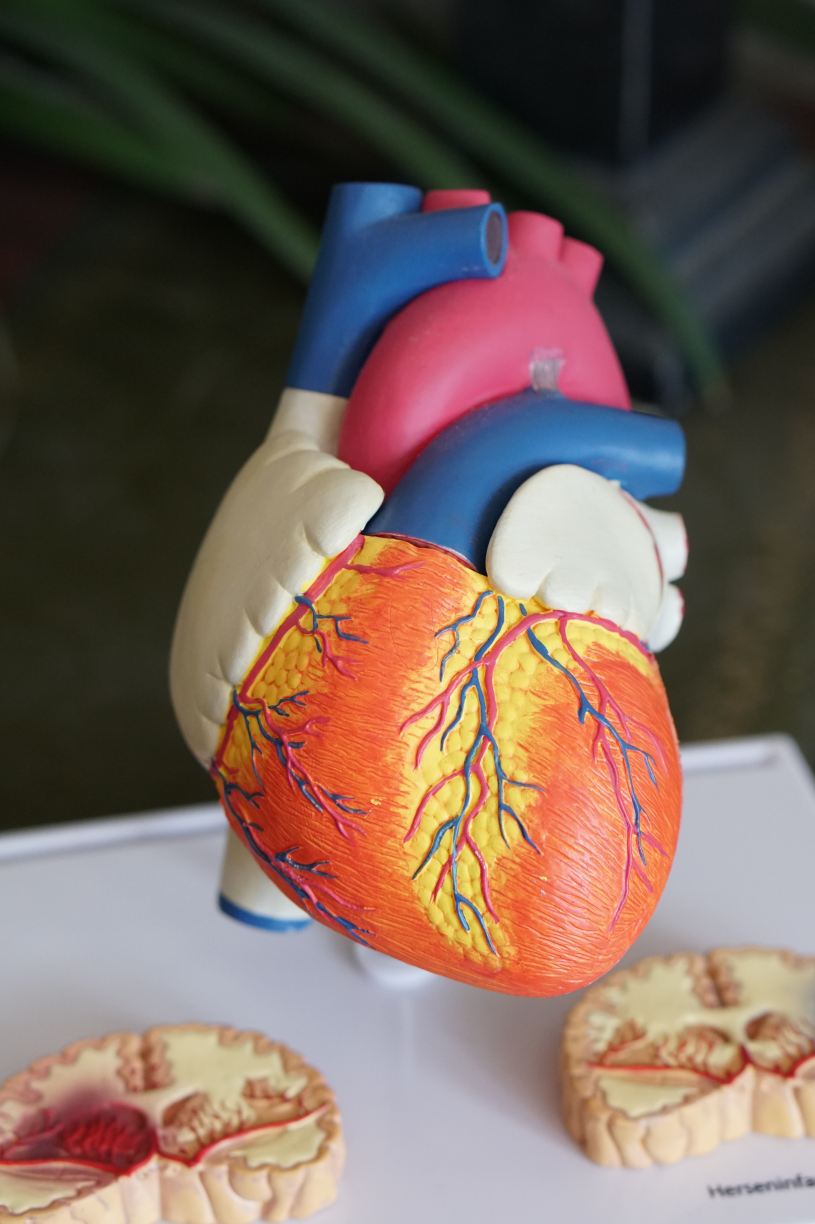
A team of doctors at the university of Cincinnati have published their findings in Nature this week, claiming that the immune system’s response is vital to the efficacy of stem cells’ ability to repair the mechanical functions of mice’s heart.
Stem cell research, once hailed as the holy grail of medicine, has been in a bit of a slump in recent years. A combination of a moral panic over how they are harvested, their cost, and questions over their efficacy and underlying mechanisms has caused interest to wane.
Despite these concerns, the US researchers have continued their work. Their experiment involved injecting mice who had suffered heart damage with two types of stem cells. The mice that received the stem cells showed significant improvement to the rate of repair of regions of the heart that had suffered mechanical failures due to cell death when compared to the placebo group.
This experiment was repeated again, this time with part of the mice’s immune system suppressed, namely the mice’s macrophages were disabled. Following this method, it appeared that neither type of stem cells made much difference on the damaged hearts compared to placebo.
These findings strongly suggest that immune response is critical to the efficacy of stem cell therapies, with the researchers singling out acute inflammatory wound healing response as the primary cause.
While this research focused on using stem cell therapy to repair heart damage, it is hoped that the information gleaned on the underlying immune mechanisms can be used to treat other types of organs, such as liver or brain damage, in the future.
 Scientific Britannicus